Java Zone - The heart of the Java developer community
Java Zone - The heart of the Java developer community |
- Introduction to Spring Data JPA Part 8: Many-to-Many Bidirectional
- Introduction to Spring Data JPA Part 7: Unidirectional Many-to-Many Relationships
- 10 Courses to Learn Spring Boot and Microservices in Java
| Introduction to Spring Data JPA Part 8: Many-to-Many Bidirectional Posted: 17 May 2020 01:16 PM PDT In this article, we will discuss the following:
Let us start by modeling the entities: |
| Introduction to Spring Data JPA Part 7: Unidirectional Many-to-Many Relationships Posted: 17 May 2020 12:43 PM PDT We will discuss the following:
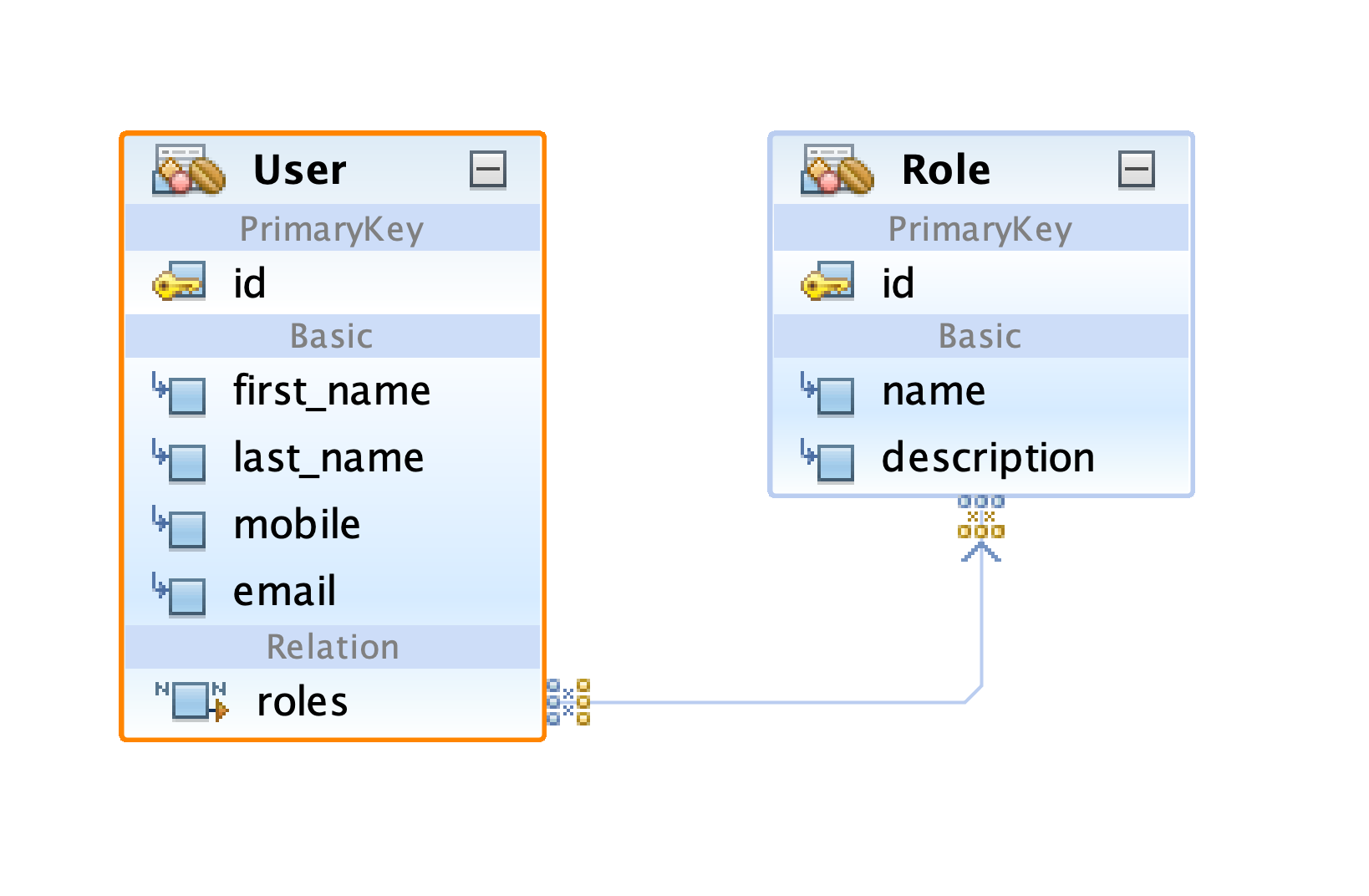
Let us start by modeling the entities. |
| 10 Courses to Learn Spring Boot and Microservices in Java Posted: 17 May 2020 12:34 PM PDT Hello guys, if you are interested in learning Spring Boot and looking for some awesome resources like books, tutorials, and online courses to start with then you have come to the right place. Earlier I have shared some great books to learn Spring Framework, including Spring Boot (see) and today I'll share some of the best online Spring Boot courses you can join to learn Spring Boot by yourself. |
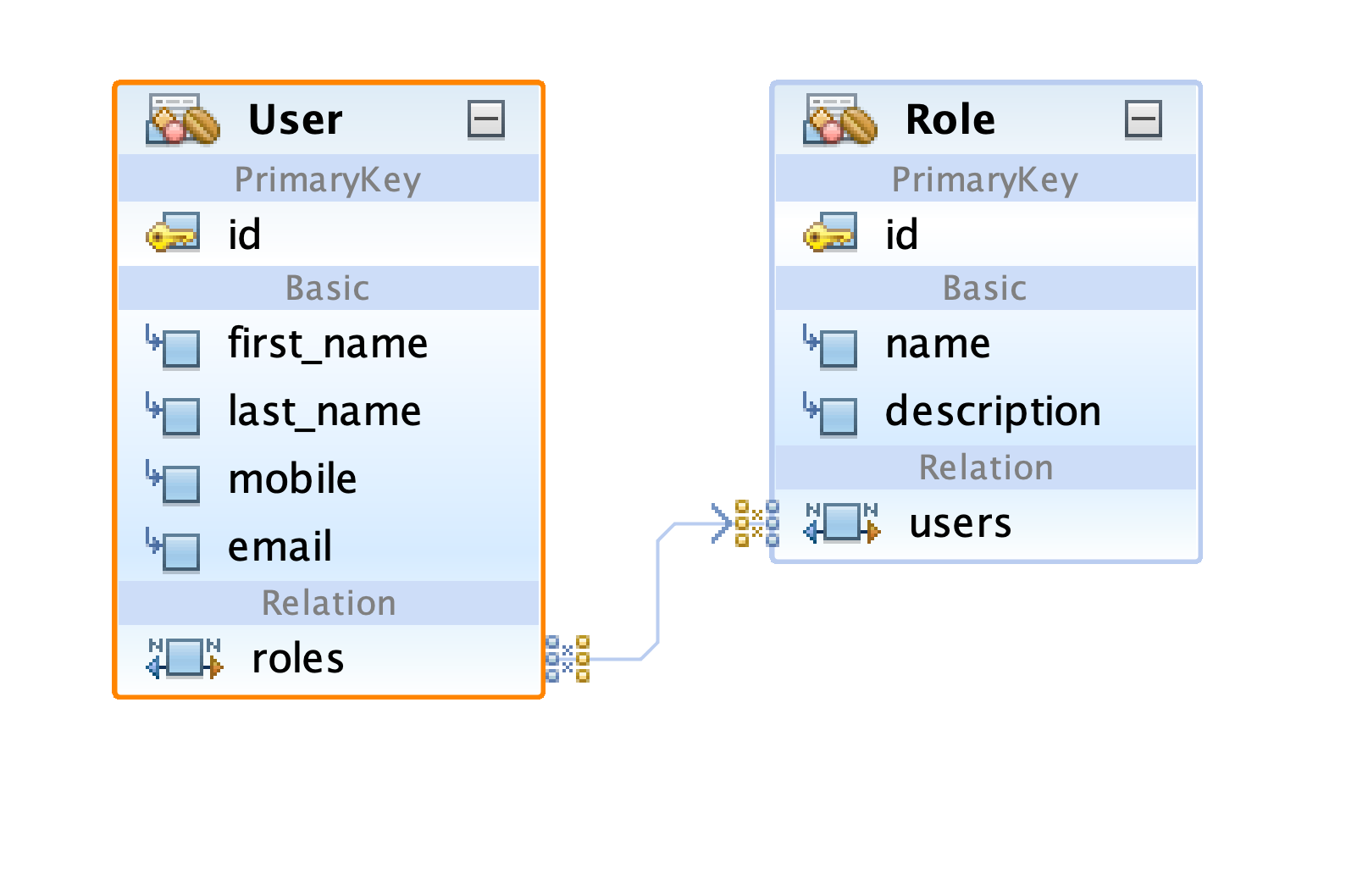 You can see the definition of Role in the User entity and the definition of User in Role entity. Hence, we can call it bidirectional. The requirement is that one User can have many Roles, and one Role can be associated with many Users. Hence, it is a Many-to-Many relationship. Let us see what Hibernate gives us by default.
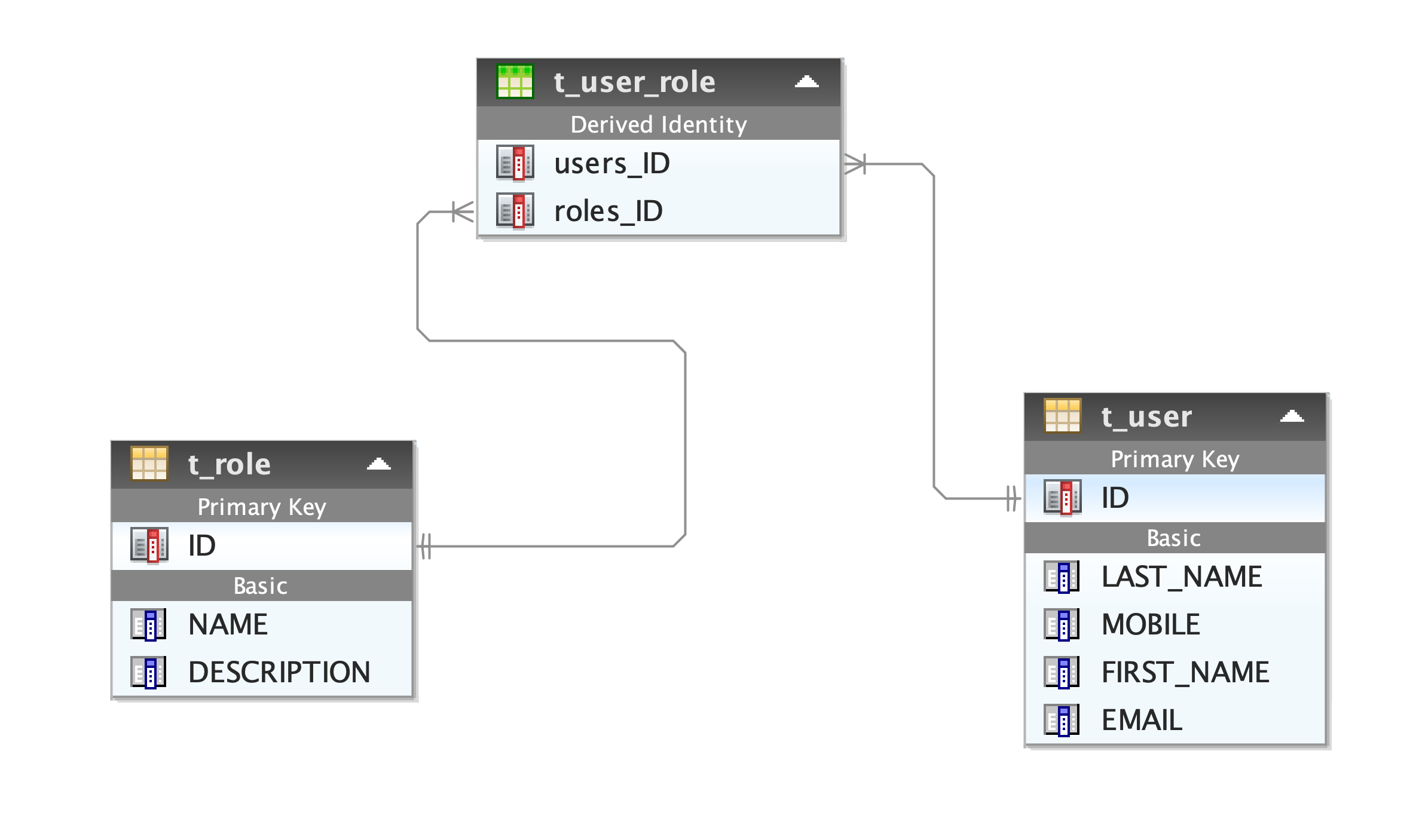 A mapping table with
  Let us see how Hibernate creates the tables for us.
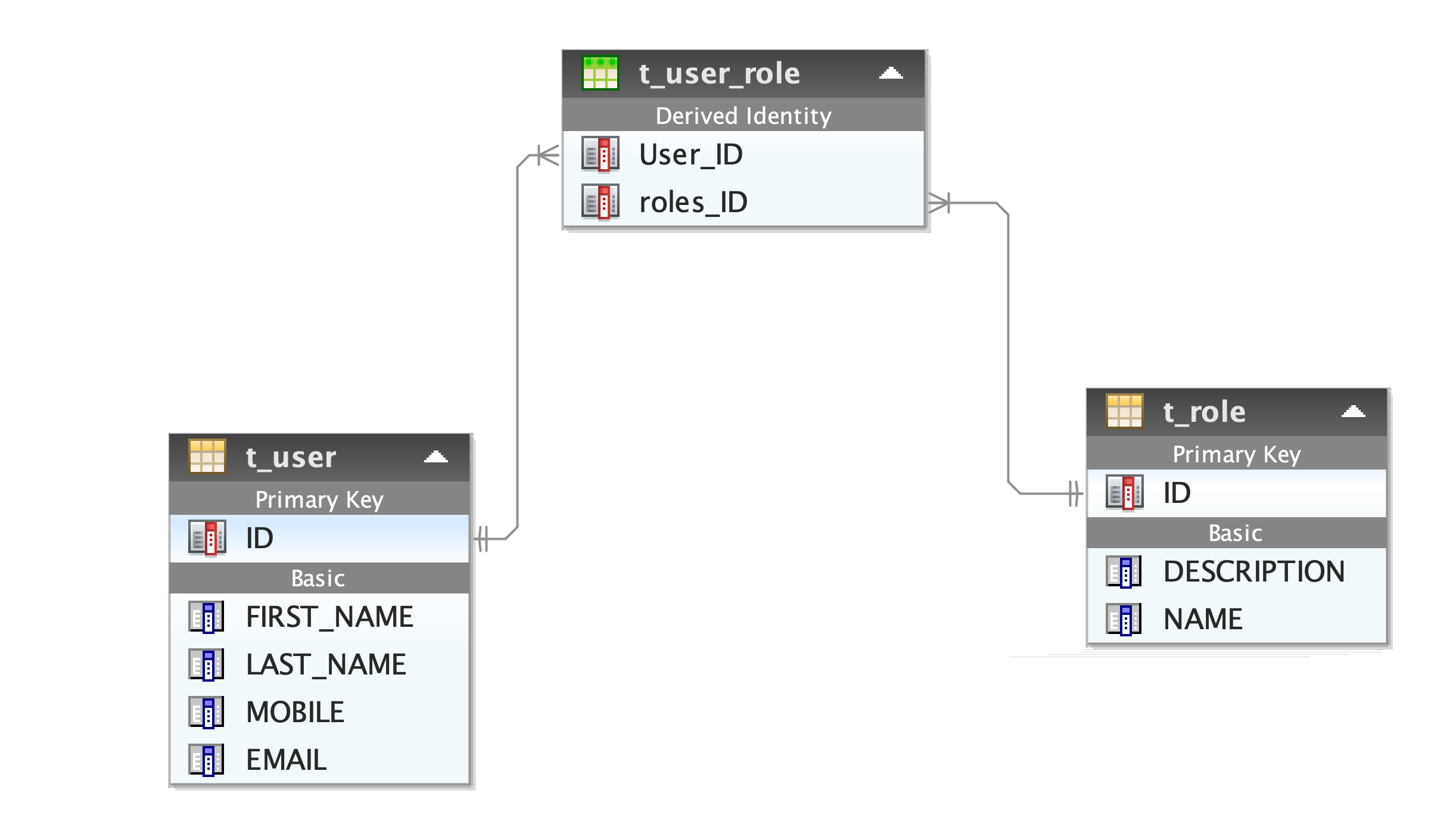 A mapping table is created.
| You are subscribed to email updates from DZone Java Zone. To stop receiving these emails, you may unsubscribe now. | Email delivery powered by Google |
| Google, 1600 Amphitheatre Parkway, Mountain View, CA 94043, United States | |


Comments
Post a Comment